
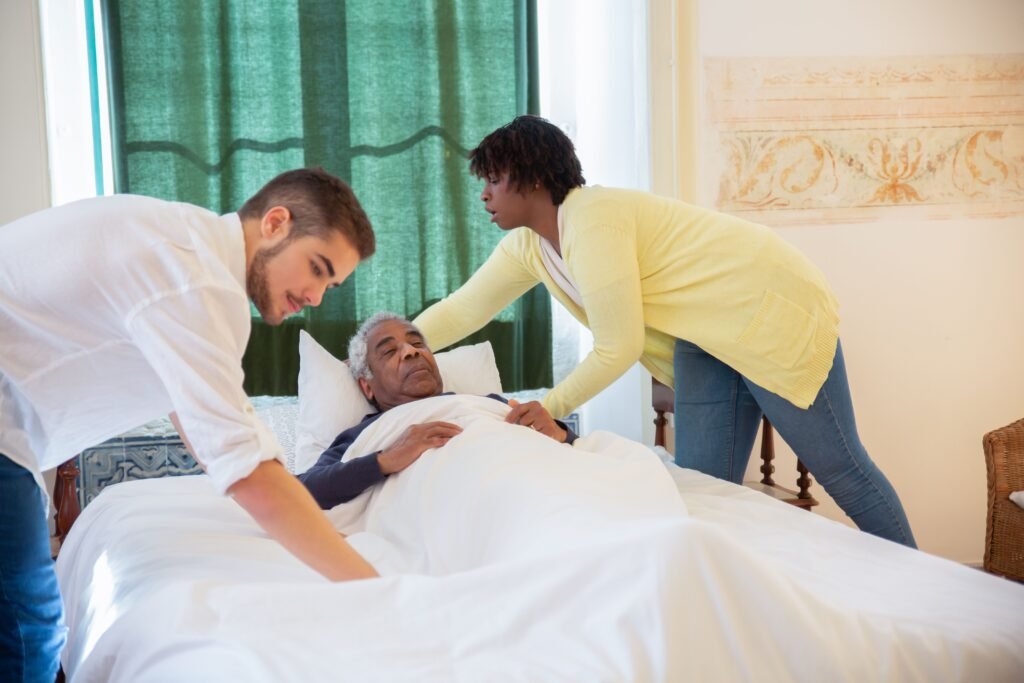
Caring for a senior or a person living with dementia is an act of love, commitment and responsibility. But caregiving can also be physically, emotionally and mentally demanding, often placing the health and well-being of caregivers at risk.
At Hope for Dementia, our mission focuses on dementia prevention and risk reduction among vulnerable seniors. We recognize, however, that protecting brain health and promoting well-being must extend beyond seniors themselves to include the people who care for them.
Caregivers Need Care, Too
Caregivers come from all walks of life. They may be seniors themselves, caring for a spouse, sibling, friend or another older adult. They may also be younger people, including adult children balancing careers, family responsibilities and the demands of caring for an aging parent.
Regardless of their age or circumstances, caregivers need support, information and opportunities to protect their own health.
One important aspect of that support is awareness of the early warning signs of dementia. Caregivers need to recognize changes in the memory, thinking, behaviour or daily functioning of the people they care for. Equally important, they must remain attentive to changes in their own cognitive health. Caregiving responsibilities should never mean neglecting one’s own well-being.
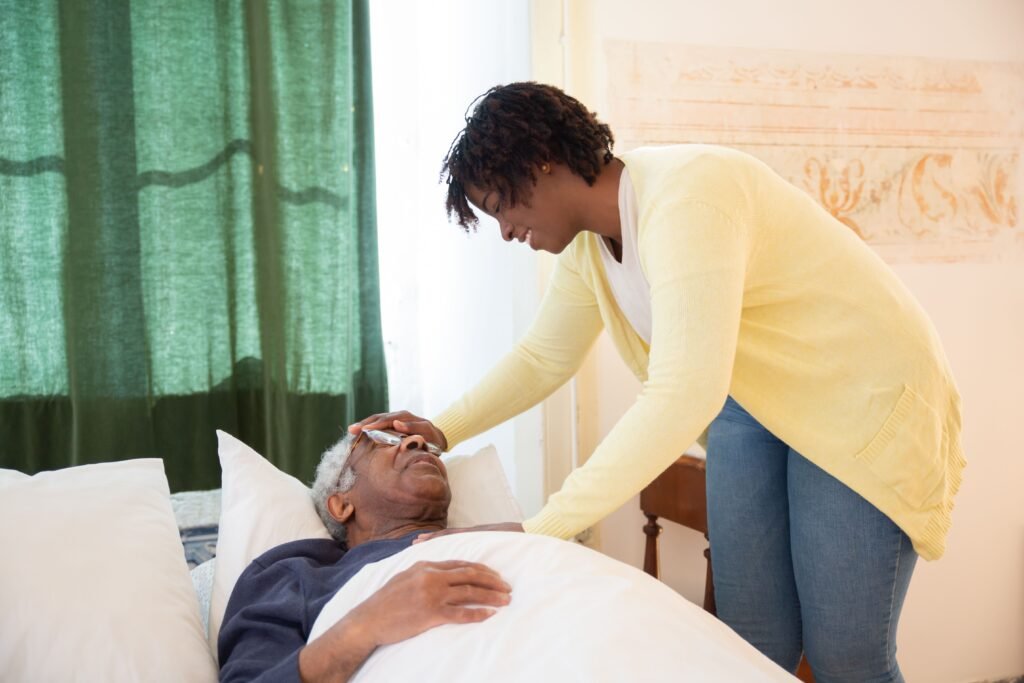
Early recognition and timely medical assessment can help individuals and families better understand what is happening and explore appropriate support and care options.
Culturally Responsive Care: Respecting Values While Supporting Caregivers
Caregiving does not happen in isolation. It is shaped by family traditions, cultural beliefs, community expectations and personal values.
For some families, caring for an aging parent or relative is a deeply held cultural responsibility. Others may feel a strong obligation to manage caregiving within the family, even when the demands become overwhelming. These values can be sources of strength, connection and purpose, but they can also make it difficult for caregivers to ask for help or accept outside support.
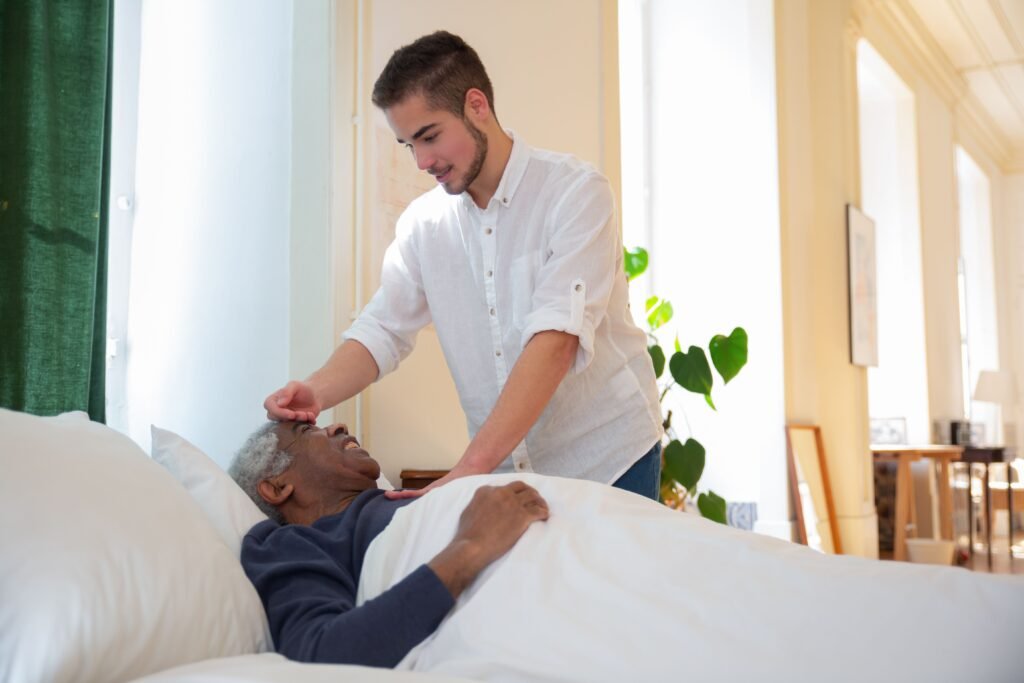
This is why health and social service professionals must look beyond the immediate practical demands of caregiving and consider the cultural context in which caregivers live and make decisions.
Culturally responsive care does not ask families to abandon the values that have shaped them. It helps them find ways for those values to make room for the realities of caregiving, too.
This means listening without judgment, understanding family expectations, respecting cultural differences and helping caregivers explore support options that align with their beliefs and circumstances.
When professionals approach caregivers with cultural sensitivity and compassion, they can build trust, reduce feelings of isolation and help families find sustainable ways to care for their loved ones without sacrificing their own health.
Join the Conversation on MIKE FM
How can we better support caregivers of seniors and persons living with dementia? How can we recognize their needs, protect their well-being and ensure that the support they receive respects their cultural values?
Tune in to MIKE FM on Tuesday, October 20, at 10:15 a.m. as Marie Griffiths hosts a conversation with:
- Varsha Bhat, Founder of Aging with Dignity
- Camille Isaacs Morell, Vice-President, Hope for Dementia
Topic: Caring for Caregivers of Seniors and Persons Living with Dementia
This conversation will explore the importance of recognizing caregivers as individuals with their own health and support needs, the value of early awareness of dementia warning signs, and the role of culturally responsive care in helping families navigate caregiving with dignity.
At Hope for Dementia, we believe that dementia risk reduction and prevention begin with awareness, education and supportive communities. Caring for caregivers is an essential part of that commitment.
Because those who care for others deserve care, understanding and support, too.
#HopeForDementia #Caregiving #DementiaPrevention #DementiaRiskReduction #CaregiverSupport #HealthyAging #CulturallyResponsiveCare #BrainHealth