
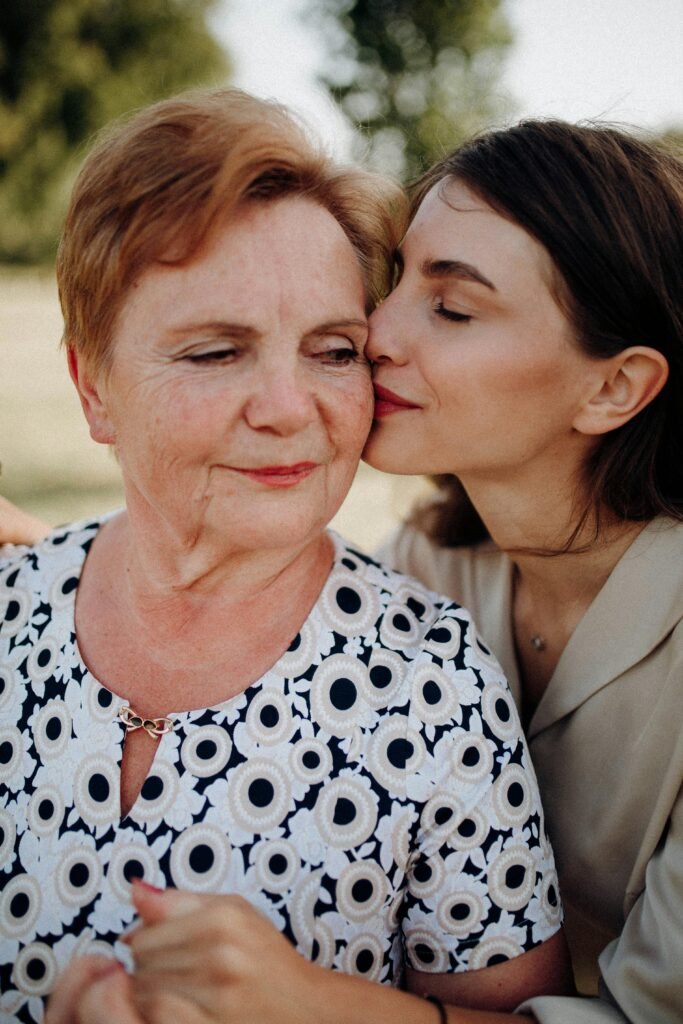
March is Women’s History Month. We celebrate the contributions of women as informal and formal caregivers, leaders, managers, mothers, daughters, sisters and friends.
Alzheimer’s disease disproportionately affects women, both as caregivers and as those living with the disease. According to the Alzheimer Society of Canada, in this country, women represent 70% of caregivers and 72% of people living with dementia. This makes proactive health care essential. There are 14 modifiable risk factors that, if addressed, can help prevent or delay dementia.
When it comes to women caregivers finding balance between giving and maintaining their own lives, the answer is simple but difficult: women must ask for help.
Many women feel guilty doing so, believing that asking for support means failure or that no one can care as well for their loved one as they can. While women’s natural empathy and emotional intelligence are strengths, caregiving taken to the extreme often leads to emotional, physical, and financial burnout.
Love is central to caregiving, but it must include ensuring appropriate professional care and emotional support—for both the caregiver and the person receiving care.
From personal experience,* my mother believed she alone knew what was best for my father while he lived with Alzheimer’s disease. That dedication nearly cost her life when stress led to a serious medical emergency. Only after accepting in‑home care did her health improve, allowing her to continue as his primary caregiver with proper support.
Practical ways caregivers can find balance include:
- Asking family and friends to share responsibilities such as appointments, medication management, meals, or groceries
- Using community supports like Meals on Wheels or grocery delivery services
- Consulting healthcare professionals for relevant care services
- Prioritizing self‑care and respite services offered by community organizations
- Joining caregiver support groups for emotional support
- Exploring workplace benefits such as Employee Assistance Programs, flexible schedules, or remote work options
Caregivers cannot sustain care alone. Asking for help is not a weakness—it is essential.
*Article written by Camille N Isaacs Morell, Vice-President, Hope for Dementia.