Where to get help
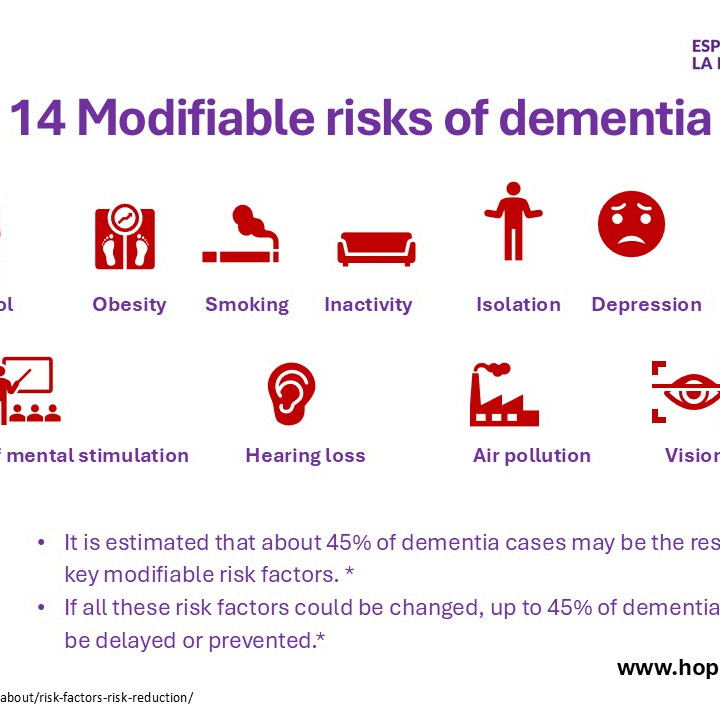
Over 700,000 Canadians currently live with dementia, a number projected to reach 1 million by 2030. Research from the Lancet Commission in 2024 shows that addressing 14 modifiable risk factors…

Over 700,000 Canadians currently live with dementia, a number projected to reach 1 million by 2030. Research from the Lancet Commission in 2024 shows that addressing 14 modifiable risk factors…
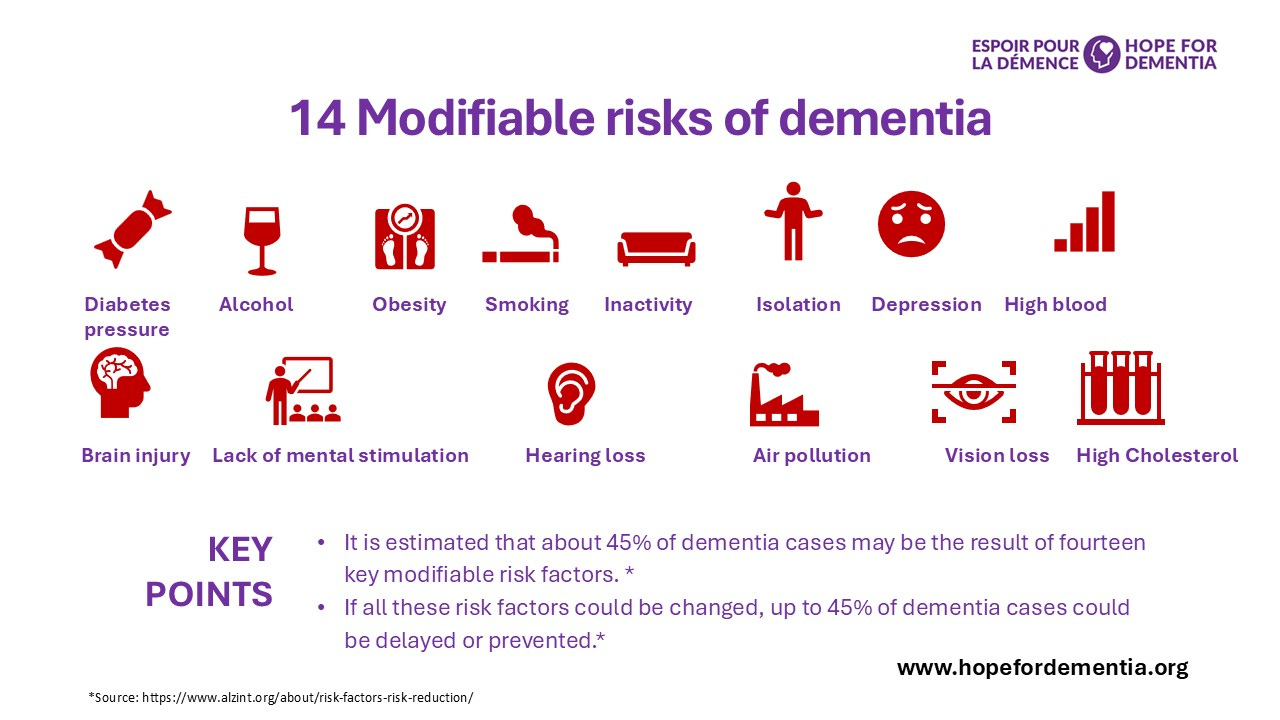
Aging and genetics are two known risk factors of developing dementia. Although aging and genetics cannot be prevented, a growing body of research evidence exists that identifies 14 potentially…
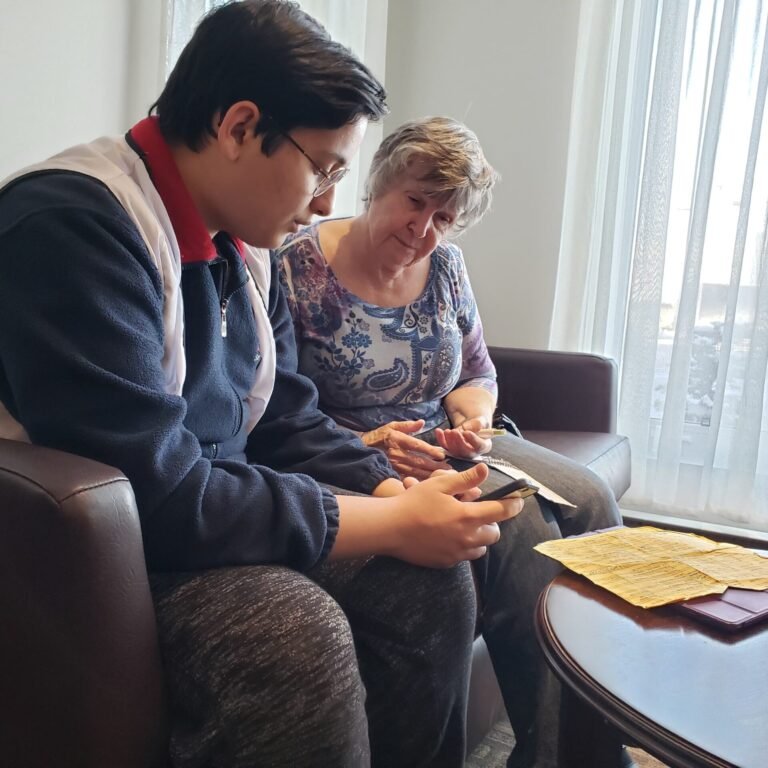
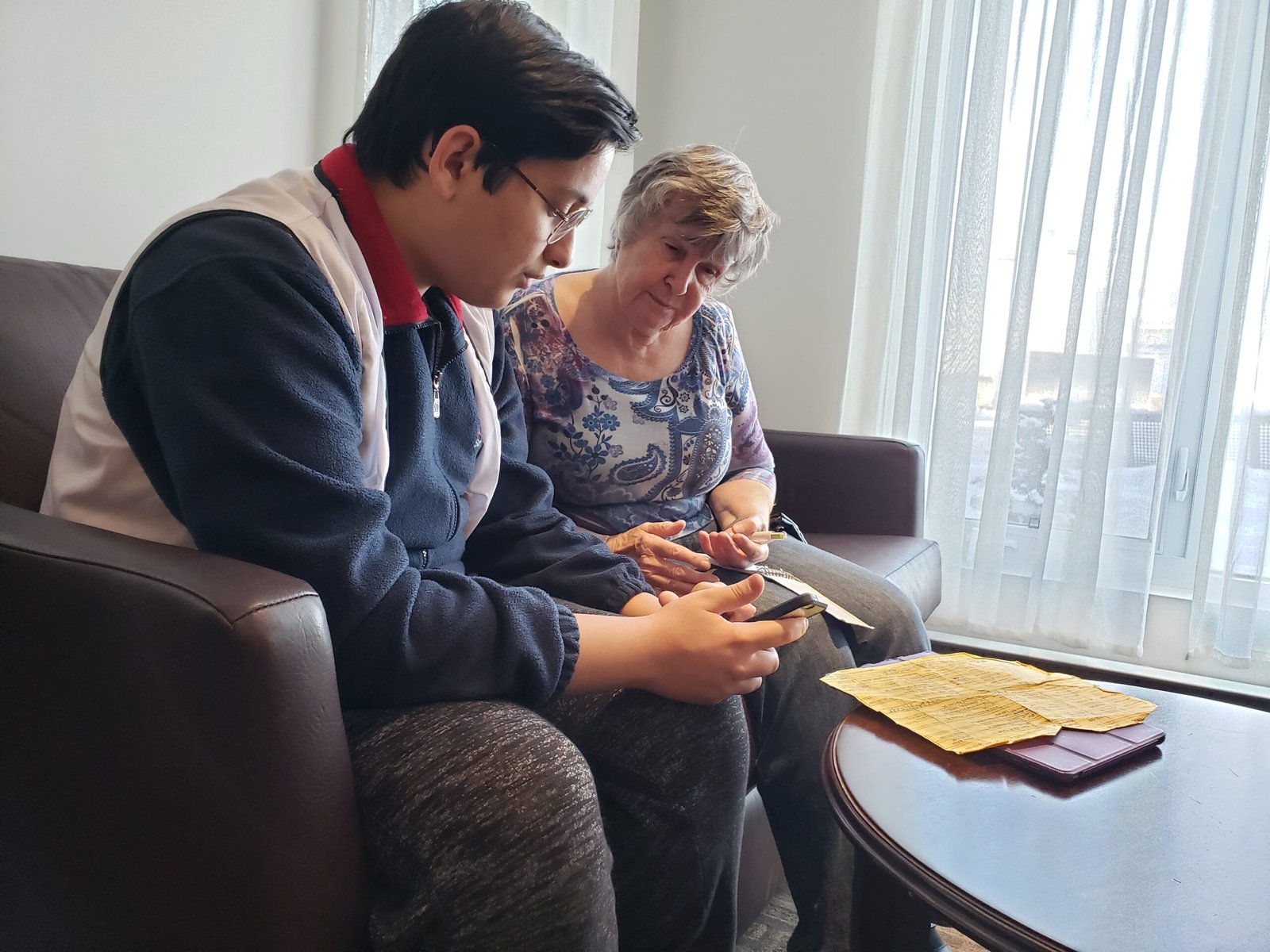
Seniors are taught by youth volunteers how to use various applications on iPads and tablets. In turn, seniors share their life experiences with youth volunteers, while working on creative projects…
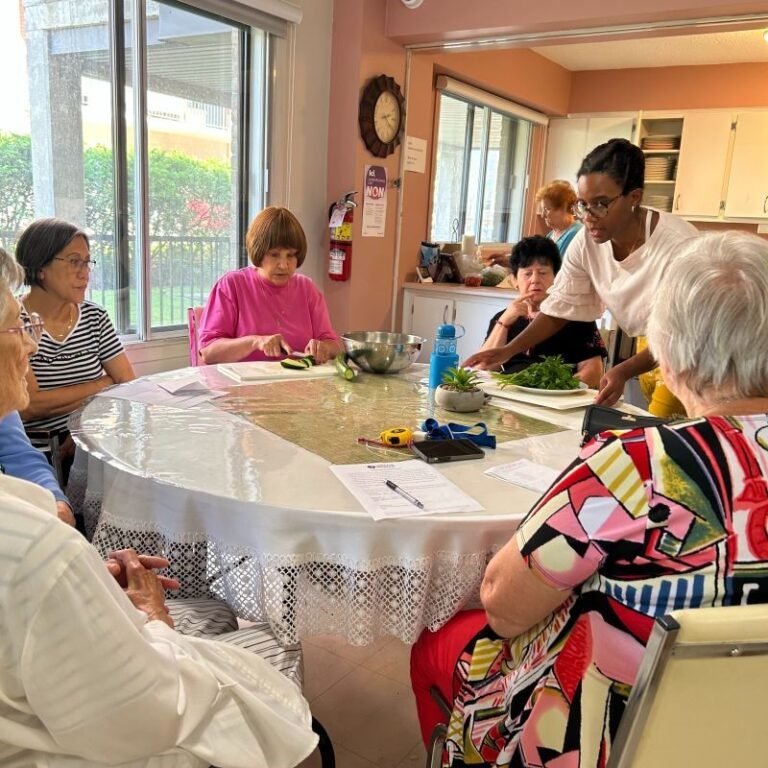
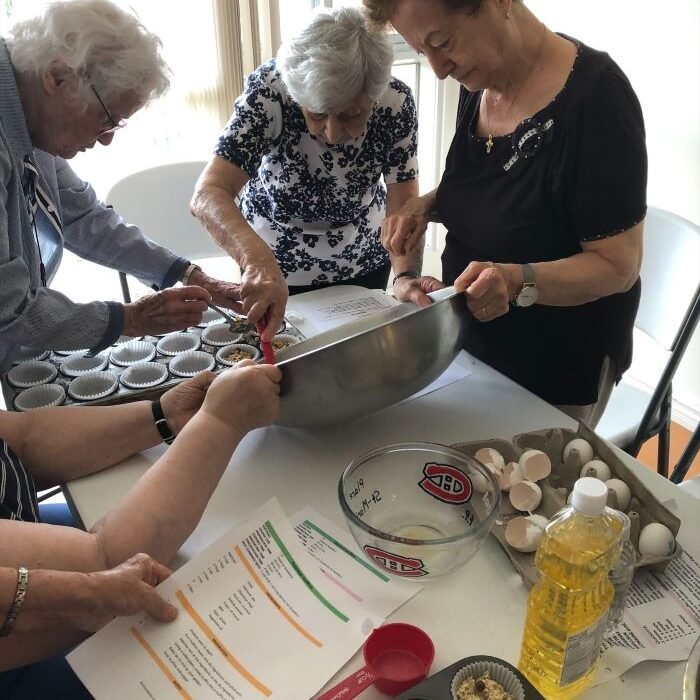
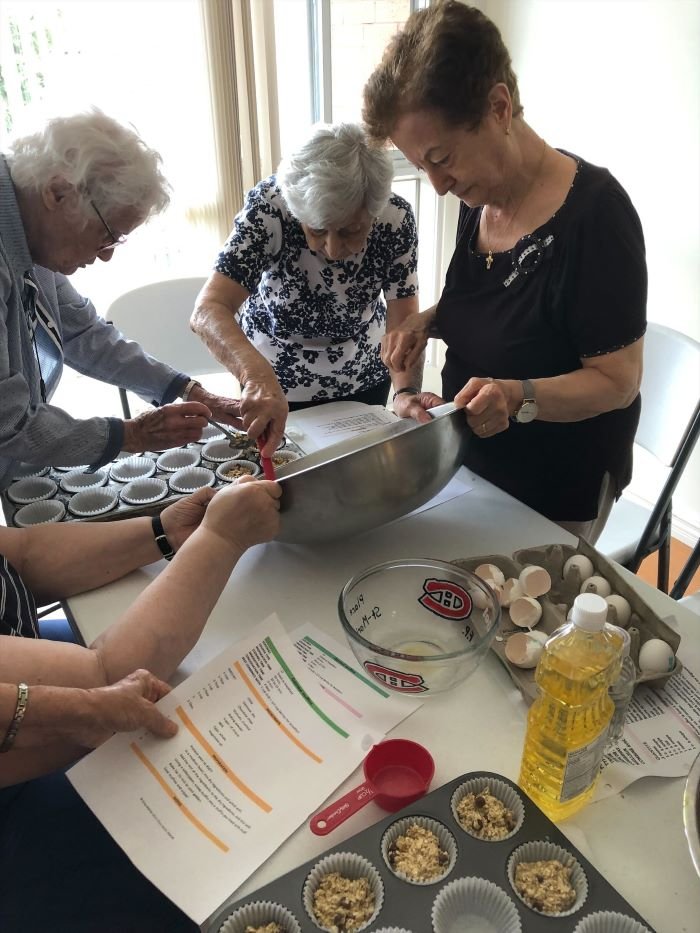
What we eat plays a big role in our physical and mental health. If you’re worried about dementia or want to support a loved one who is, paying attention to…
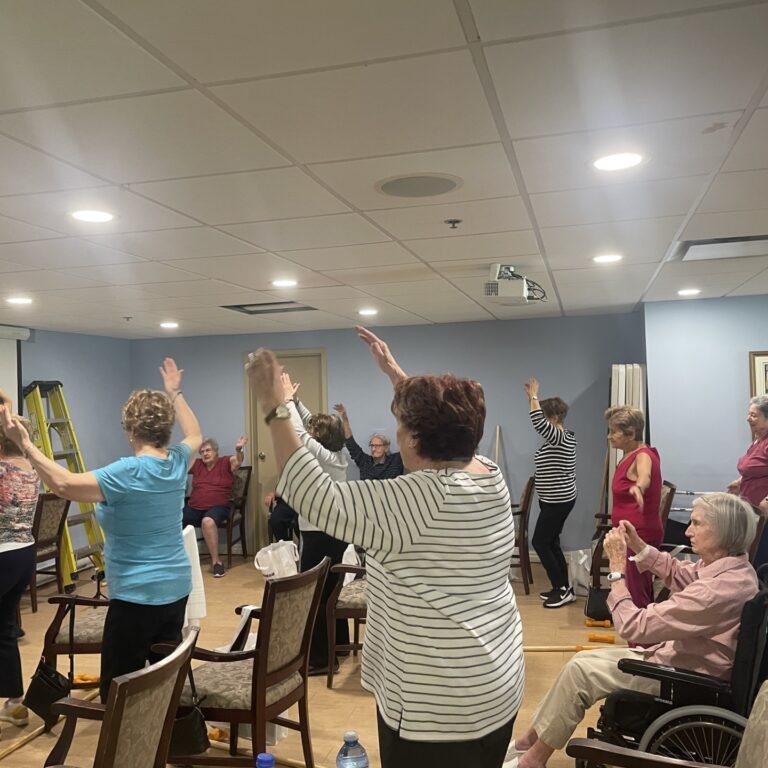
The Move for a Healthy Mind program was developed by Hope for Dementia in 2024 with the aim of providing physical activity to autonomous seniors who are physically inactive or…
Blueprint for smart eating in your golden years is an interesting and very useful book that clarifies the benefits of adding certain foods into your day to day lifestyle…
A growing body of research identifies 14 potentially modifiable risk factors. Physical inactivity Smoking Excessive alcohol consumption Air pollution Head injury Infrequent social contact Less education Obesity Diabetes Hypertension Depression Hearing…
The current trend of increasing numbers of people living with dementia has been likened to a tsunami that affects all aspects of life, everywhere in the world, in Canada and…
Lack of physical activity is one of 14 potentially modifiable risk factors for the prevention of dementia. If all of the risk factors could be modified, up to 45% of…
Did you know that traumatic brain injury (TBI) may increase the risk of developing Alzheimer’s or another type of dementia? The good news is that TBI is a modifiable risk…
As the population ages, it is predicted that more seniors will experience cognitive impairment. It is possible to reverse this trend if we all encourage our seniors to put into…
Gendered ageism refers to discrimination due to both age and sex/gender. Dementia disproportionately affects women. Women comprise over 60% of persons living with dementia. Nearly two-thirds of caregivers are women.…
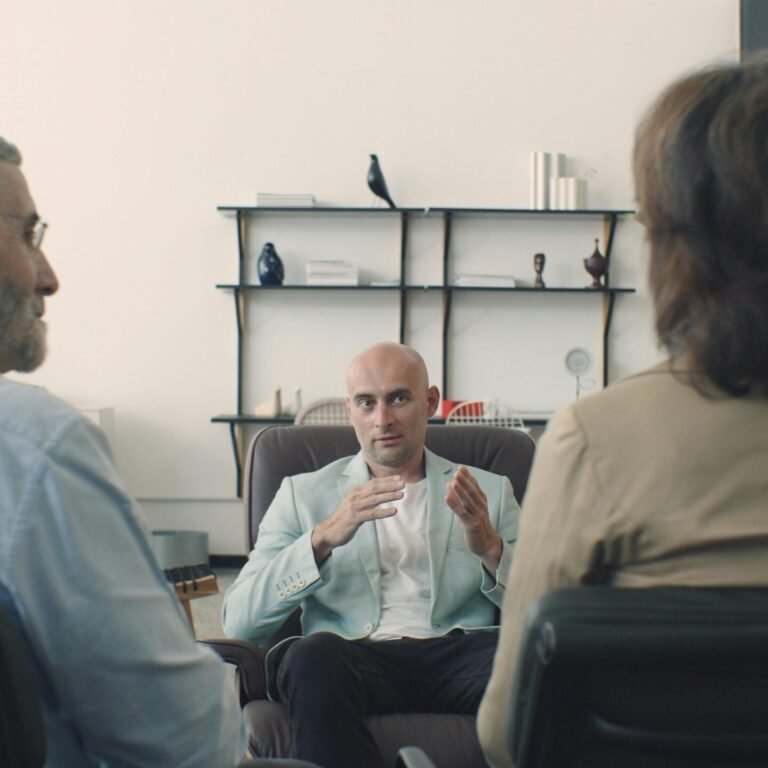
You or your loved one has just been diagnosed with an illness – Alzheimer’s’, Parkinson’s, cancer or any number of degenerative conditions. You start experiencing a range of emotions –…
We live in an age where everything seems smart. Our phones are smart, our televisions are smart and even our appliances are now becoming smart. Our communications are smart as…
Altering the Forecast on the Tsunami of Dementia – A Framework for Prevention, Symptom Deceleration and Reversal Hope For Dementia published a framework advocating for dementia prevention to be a…